|
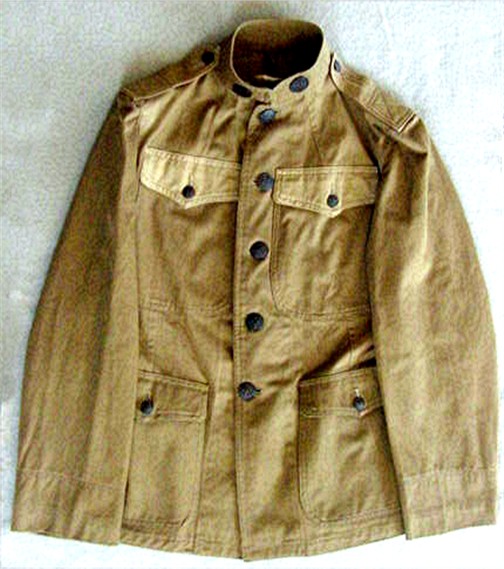
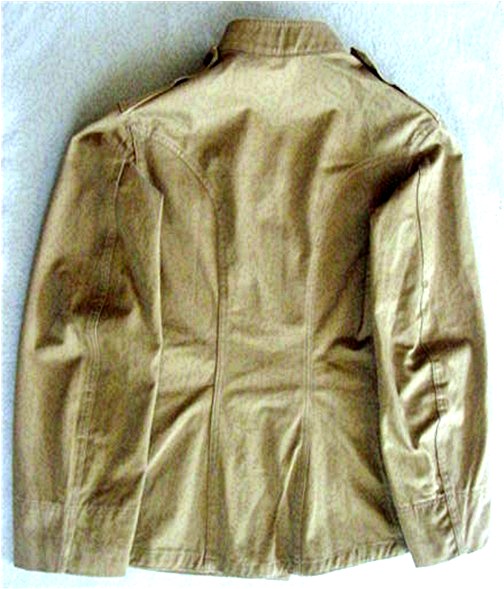
PATTERN 1911 US ARMY TROPICAL COTTON SERVICE COAT
– 17TH CAVALRY REGIMENT – w/ 1915 DATED
MAKER & QMC DEPOT TAG – MEXICAN PUNITIVE EXPEDITION –
WWI UNIFORM ITEM – EXCELLENT CONDITION:
This unit identified Pattern 1911 US Army Tropical
Cotton Service Coat was manufactured in 1915, timely for
issue during the 1916 Mexican Punitive Expedition, and
bears the regimental collar disc insignia of the 17TH
US Cavalry Regiment, “D” Troop –
a unit created to address
the turbulence along the Southern Border during the
Mexican Revolution.
The 17TH US Cavalry was formed on July 1,
1916 at Fort Bliss, adjacent to the city of El Paso,
Texas, consisting of thirty-two officers and seven
hundred ninety-one enlisted men drawn from the 1ST,
3RD, 6Th, 8TH, and 14TH
Cavalry Regiments to form the nucleus of the new
regiment. After participating in the action along the
Texas border against during the Punitive Expedition, the
17TH was transferred to the area around
Douglas, Arizona to deal with border disturbances in
that area. The regiment remained in Arizona during the
First World War and when the armistice was signed, the
regiment was transferred to Hawaii, stationed at
Schofield Barracks on the island of Oahu. Spending the
next three years patrolling the coast of the island, the
regiment returned to the Presidio of Monterey in
California in 1921 where it was deactivated and the
officers and troops reassigned to the 11TH
Cavalry Regiment. While the 17TH would be
reactivated and reorganized in the years to come, this
brief first five years was the period in which this
Service Coat would have been issued and worn.
While showing the obvious signs of having been issued as
indicated by the unit insignia, given the early
manufacture date and likely overseas wear, this coat has
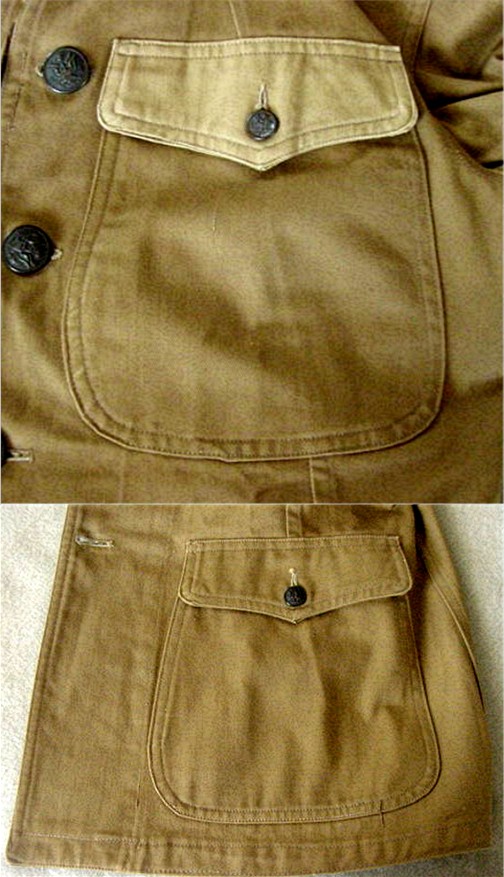
survived in excellent condition. The original maker’s
label is present inside the front lower right side
pocket, full form and completely legible, bearing the
maker’s name “SIGMUND EISNER” of Red Bank, New Jersey,
the contract date of August 26, 1915, and the label
indicates this coat was processed through the
Philadelphia Clothing Depot. This label identifies this
uniform as one of the scarce early production coats,
much scarcer than the more common uniforms made three
years later as the United States entered World War One.
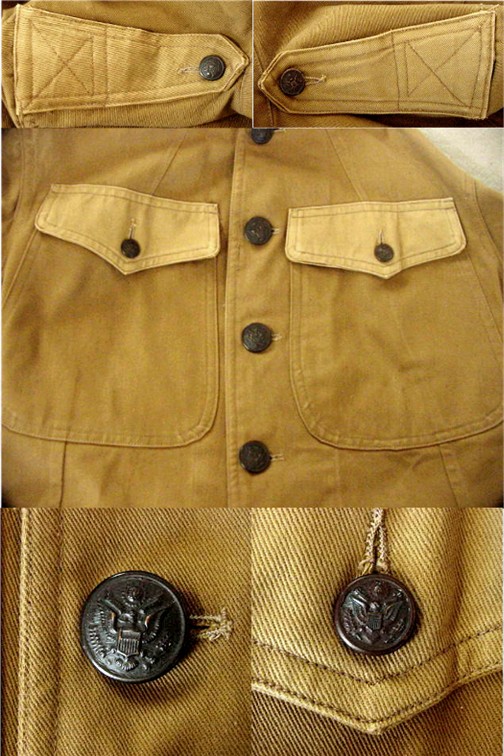
Both collar discs are present, and all of the original
buttons are present and intact down the front, on the
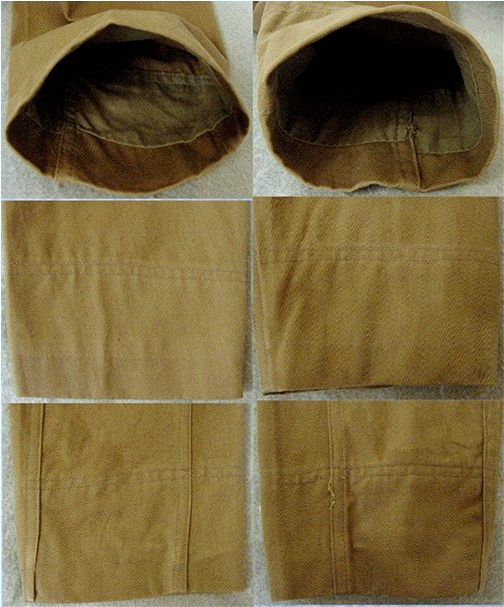
epaulets and pocket flaps. The edges of the collar, the
cuffs, and along the bottom of the coat are intact with
no wear – all areas where fraying normally occurs on
these coats - and all of the seams are intact.
The coat is very clean, is
free of stains or heavy soiling, and there is no
damage. The only characteristic worthy of special
comment is that the breast pocket flaps and the shoulder
straps are made from a lighter shade of khaki than the
balance of the coat. Those pocket flaps and shoulder
straps all match each other, obviously cut from the same
bolt of cloth, and likewise, they are from all
appearances original to this coat. This use of
different shades of khaki was not particularly unusual
as individual dye lots of cloth often show such
variations, and that the four pieces were incorporated
in this coat bearing the contractor’s label indicates
the practice was acceptable. Overall, this is an
exceptional example of an early production Pattern 1911
Coat.
The date of manufacture, the cavalry regiment insignia,
and the overall condition of this Pattern 1911 Tropical
Cotton Coat combine to present as an excellent example
of the uniforms worn along the southern border and
overseas in the tropics. It would be difficult to
upgrade this specimen. (0592) $350
NOTE: Photographing cloth
material presents some interesting challenges in
lighting and contrast. It results in a trade off
between trying to maintain the accurate and consistent
coloring between photographs and providing sufficient
detail of specific features. Any variations in the
coloring you see in the photographs below is due to the
limitations of the photography and is not due to fading,
bleached areas, or discoloration of the material.
|